







The Science Behind Short Workouts That Actually Work
Twenty minutes done right outperforms sixty minutes done carelessly. Here is what the research actually shows.
The idea that a short workout isn't a real workout is one of the most persistent and damaging myths in fitness. It has kept more people sedentary than any lack of motivation, any shortage of equipment, any genuine barrier to training. Because the person who could manage twenty minutes talked themselves out of starting, on the grounds that twenty minutes wasn't enough.
It is enough. Under the right conditions, it's more than enough. The science of exercise physiology has been saying this for years with increasing clarity, and the research on short, high-quality training is now robust enough to dismantle the idea that duration is the primary driver of training adaptation.
What drives adaptation is intensity, effort, and the consistent application of progressive overload over time. Duration is a delivery mechanism, one of several. When the intensity is appropriately high and the rest periods are controlled, a twenty-minute session can produce a physiological stimulus comparable to workouts twice as long.
"The body responds to mechanical tension and metabolic stress. It doesn't know how long you've been in the room."
The mechanism behind short, effective workouts is well established. High-intensity interval training, sustained effort followed by structured recovery, produces cardiovascular and metabolic adaptations that parallel or exceed those from longer moderate-intensity sessions. A 2016 study published in PLOS ONE found that three twenty-minute HIIT sessions per week produced equivalent improvements in cardiorespiratory fitness and insulin sensitivity to five forty-five-minute moderate-intensity sessions. Same result. Less than half the time.
For resistance training, the relevant concept is time under tension. The primary driver of muscular adaptation isn't how many minutes are spent in the gym, but how much mechanical load is applied to the muscle across a session. A set taken to true muscular failure in three minutes produces more adaptive stimulus than a ten-minute set performed at fifty percent effort. The duration of the session becomes secondary when the quality of the effort is primary.
The structure that makes it workA short workout that actually works isn't a long workout with sections removed. It's a session designed from the beginning around a compressed timeframe, one where exercise selection, rest periods, and effort levels are all calibrated for density rather than duration. Compound movements. Minimal transition time. Effort that earns the brevity.
This is where most short workout programmes fail. They remove the time but keep the low intensity, producing a session that's both brief and ineffective. The research-backed version inverts this: protect the effort, compress the structure around it. A push-pull-hinge-carry sequence performed with thirty seconds of rest and genuine output produces more adaptation in eighteen minutes than an unfocused forty-five minute session ever will.
"Compress the structure. Protect the effort. The result will exceed what longer and easier cannot reach."
Beyond the physiology, short workouts solve the problem that ends most training programmes: the feeling that there isn't enough time. A twenty-minute session can't be postponed on the grounds of a busy morning the way a sixty-minute session can. It can't be put off until the weekend. It fits in the gap before dinner, in the lunch hour, in the thirty minutes between the end of the school run and the first meeting.
The person who trains twenty minutes every day accumulates more total training volume, and more adaptive stimulus, than the person who plans to train for an hour and manages it twice a week. Frequency and consistency compound. Duration, beyond a reasonable threshold, produces diminishing returns. The short workout that actually works isn't a shortcut. It's the most efficient path, and efficiency, when time is the limiting resource, is the advantage that changes everything.
Intensity without chaosA short workout should be intense, but intensity doesn't mean chaos. Random burpees, rushed reps, and constant fatigue aren't automatically effective. Quality still matters. The body adapts best when the stimulus is clear enough to repeat and progress.
Good short workouts use intensity with control. A set taken close to failure with clean form is useful. A circuit that keeps the heart rate high while preserving movement quality is useful. A rushed session that turns every exercise into sloppy survival is less useful. It may feel hard, but hard isn't the same as productive.
The best short sessions leave a record you can beat. More reps, cleaner reps, stronger resistance, better pacing, or shorter rest. If nothing is measurable, improvement becomes guesswork.
Recovery after short sessionsShort workouts can still create serious fatigue. In fact, because they often compress effort, they may feel more demanding than expected. That makes recovery important. A short session doesn't give permission to ignore sleep, hydration, warm-up, or cool-down.
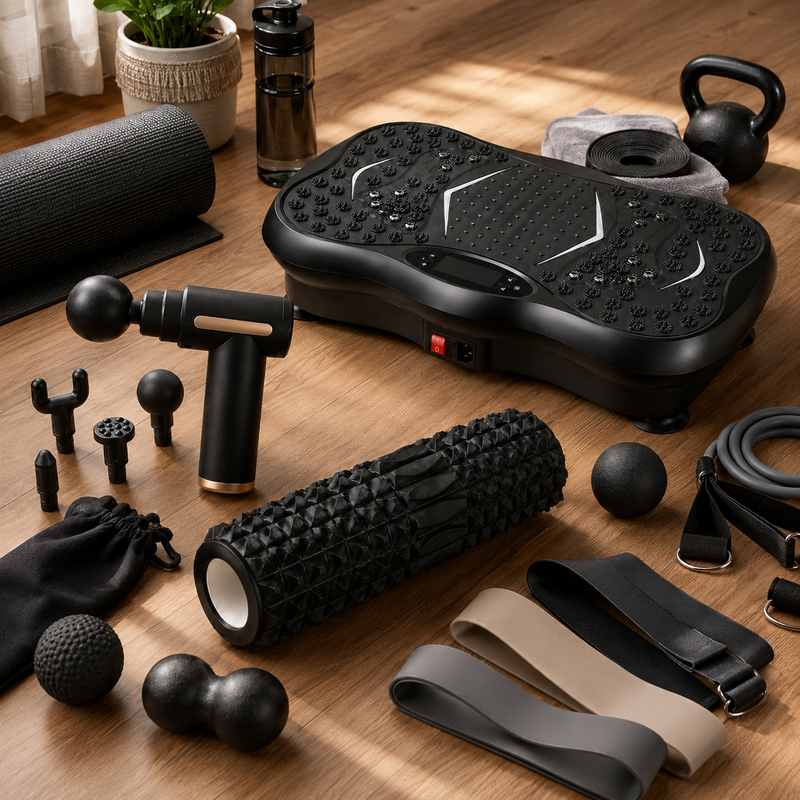
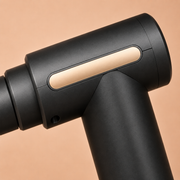
The cool-down can be simple: walk until breathing settles, stretch the areas that worked hardest, and use a roller or massage gun if one muscle group feels unusually tight. This helps the session end cleanly instead of carrying tension into the rest of the day.
The science of short workouts isn't about doing less carelessly. It's about doing enough, with precision, and recovering well enough to repeat it.