




Built to Last: How We Choose Zenvera Products
A closer look at the details, testing, and purpose behind every product we choose to carry.
The first version of almost every product we tested was rejected. Not because it was poorly made for its price point. Because it wasn't made for daily use by someone who actually trains. And that's a different standard entirely.
There's a version of product curation that's easy: pick things that look good, price them reasonably, and trust the photos. We tried a version of that in the beginning. The returns told us it wasn't enough.
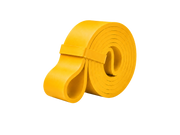
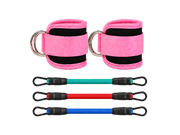
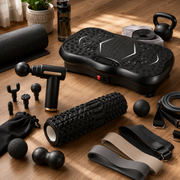
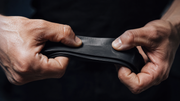
What we discovered is that fitness equipment fails in specific, predictable ways. Resistance bands snap at the loop seam. Foam rollers compress under sustained pressure and never recover. Grips tear at the weld. Mats curl at the corners when they're cold. None of these failures show up in a product listing. All of them show up within three months of daily use.
"We test until things break. Then we don't sell those things."
Every product that makes it onto the Zenvera store has been through a process that most people would consider excessive. We use it daily. We take it travelling. We leave it in a hot car. We use it on concrete, on carpet, on a tiled hotel bathroom floor. We stretch bands past their rated resistance and hold them there. We roll over the same spot on a foam roller until it either maintains its shape or tells us it won't.
Some products fail immediately. Others pass the first round and fail the second. A small number, the ones we carry, pass everything. Not because they're perfect, but because their failures are the right kind: gradual, predictable, and happening long after the product has earned its keep.
What we look for- Material integrity under repeated stress, not just initial quality, but quality after 500 uses
- Dimensional stability: mats that stay flat, bands that stay round, rollers that stay firm
- Grip performance when wet, because most people train until they sweat
- Packability without damage, gear that survives a suitcase, not just a shelf
- Honest resistance ratings, we pull-test bands to verify they perform at the stated load
"If a product wouldn't survive a year of daily use, it doesn't make the cut. That's the only rule we have."
Cheap gear doesn't save money. It costs more, in replacements, in frustration, and in the invisible cost of a workout that doesn't happen because the band snapped or the mat slipped and the session became about the gear instead of the training.
What you're buying when you shop at Zenvera isn't just the product. It's the months of testing that happened before it arrived. Every item in our store failed at least once before the version we carry passed. That failure history is the most valuable thing we can offer you, and it's built into every product we choose.
We'll keep testing. We'll keep rejecting things that don't meet the standard. And when something better comes along, something that earns its place, we'll tell you why.
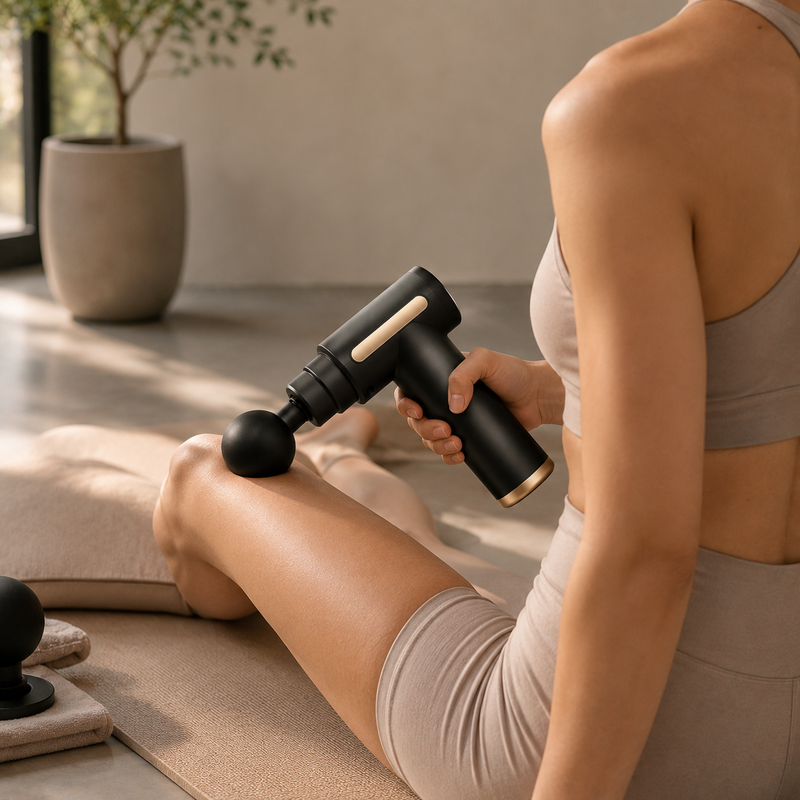
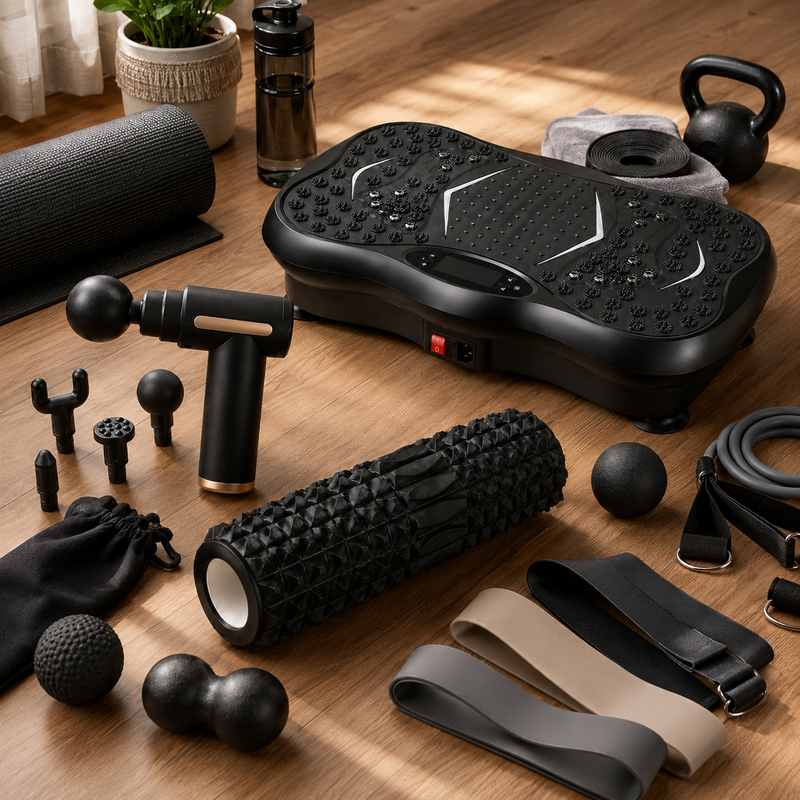
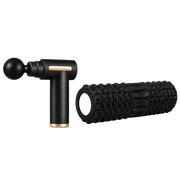
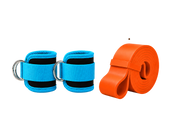
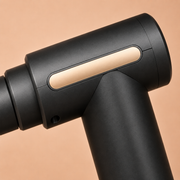
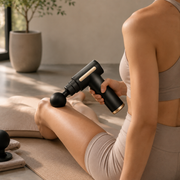
Failure points we watch closelyEvery product category has common failure points. Bands often fail at connection points, seams, handles, or areas where the material repeatedly bends. Rollers fail by losing density. Posture correctors fail when straps stretch too quickly or create pressure in the wrong areas. Massage guns fail when the motor feels inconsistent, the battery fades too quickly, or the handle becomes uncomfortable during longer use.
These details matter because the first failure usually changes how the product is used. A user who doubts a band will stop pulling hard. A user who finds a tool uncomfortable will stop reaching for it. A user who has to charge something too often will leave it in a drawer. The product may not be technically broken, but the routine is.
That's why the standard can't be limited to whether the product works once. It has to work repeatedly, predictably, and without making the user think too much about it.
The daily-use standardDaily-use equipment has to be boring in the best way. It shouldn't surprise you. It shouldn't feel different every session. It shouldn't demand special treatment. The more consistently a tool behaves, the easier it is to trust during hard effort.
That standard shapes what belongs in the store. A product doesn't need to be the most expensive version available. It does need to be stable enough, durable enough, and practical enough that a customer can build a routine around it. Price matters, but value matters more. A cheaper product that fails quickly isn't affordable. It's delayed frustration.
Built-to-last is ultimately a respect issue. If someone is trying to train consistently, the product should support that effort instead of becoming another obstacle.