


Recovery 101
The basics of helping your body bounce back after training, long days, and daily movement.
Recovery isn't what happens after training. It's part of the training itself. Every rep, sprint, stretch, and long day on your feet creates stress in the body. Recovery is the process that turns that stress into adaptation instead of fatigue.
Most people think of recovery only when soreness shows up. But the body is always recovering: from workouts, poor sleep, long periods of sitting, travel, heavy school or work days, and repeated movement patterns. The better you understand recovery, the easier it becomes to train consistently without feeling like your body is always behind.
"Training creates the signal. Recovery is where the body answers it."
During training, muscle tissue experiences small amounts of stress and microscopic damage. That sounds negative, but it's normal. The body responds by repairing tissue, restoring energy stores, and adapting so the same effort feels easier next time.
Recovery is the window where that repair happens. It depends on sleep, hydration, nutrition, blood flow, and how much stress you keep adding before the body has finished catching up. When recovery is rushed, soreness can linger, movement can feel stiff, and performance can flatten.
The basics that matter mostGood recovery isn't complicated. Sleep is the foundation. Protein gives the body material to repair tissue. Hydration supports circulation and normal muscle function. Light movement keeps the body from feeling locked up after hard sessions or long periods of sitting.
- Sleep enough for your body to repair and reset
- Eat enough protein across the day, not only after training
- Use light movement on rest days instead of staying completely still
- Pay attention to soreness that keeps getting worse instead of better
- Build simple recovery tools into your routine before pain forces you to

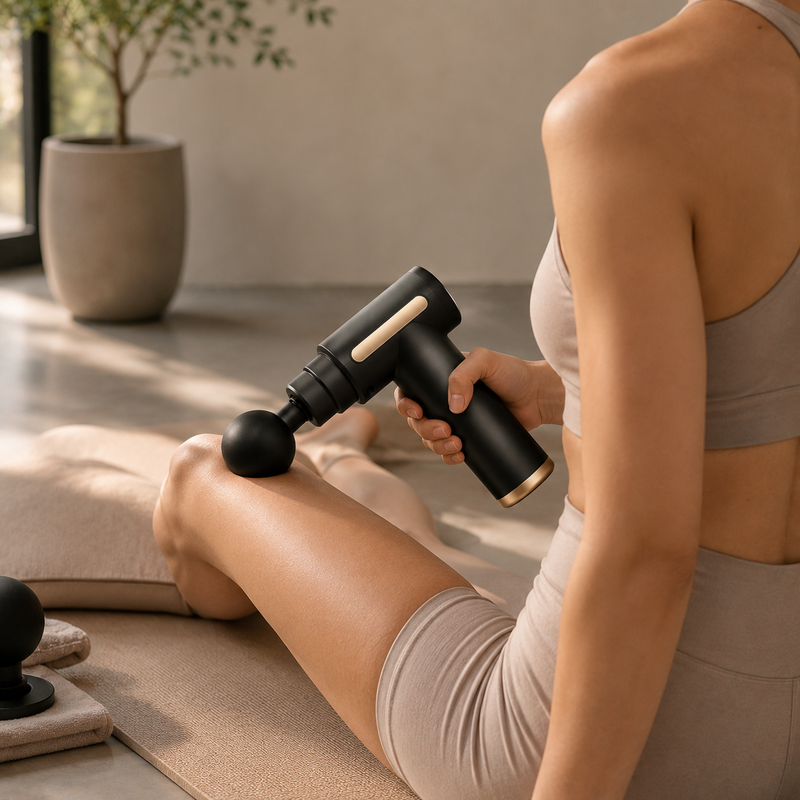
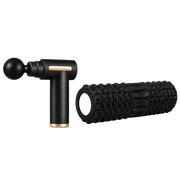
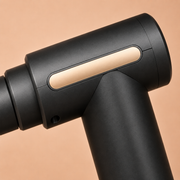
PulseX Massage Gun
A simple way to target tight areas after training, travel, or long days on your feet.
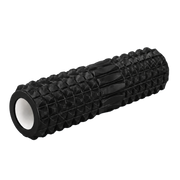
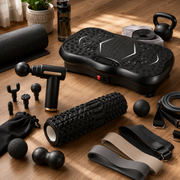
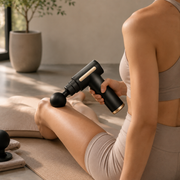
Recovery tools don't replace sleep, food, or proper training. They make the process easier to repeat. A foam roller helps with broad pressure. Stretching helps maintain range of motion. A massage gun like the PulseX helps target specific tight areas quickly, especially when you don't want to turn recovery into another full session.
The goal isn't to chase soreness away instantly. The goal is to build a routine that helps your body feel ready more often. Recovery works best when it's consistent, simple, and easy enough to do even on busy days.
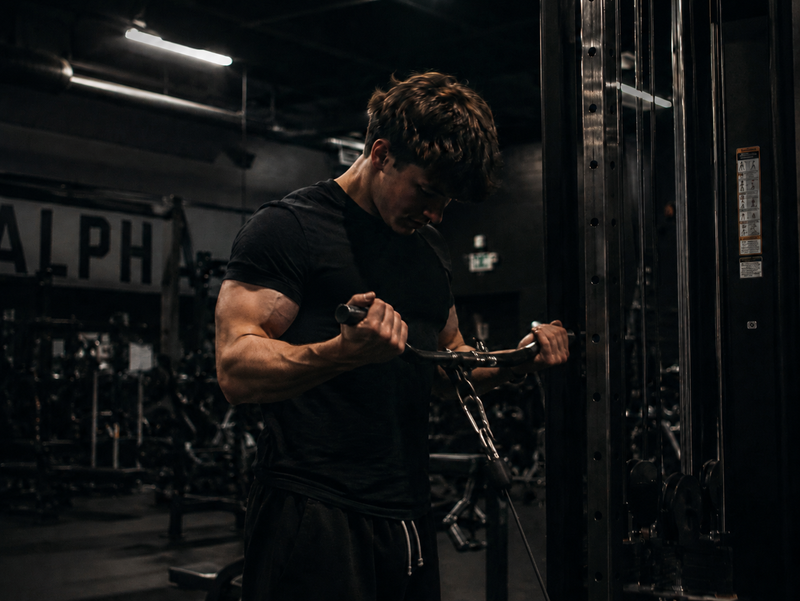
Recovery by training typeDifferent training creates different recovery needs. Strength training often leaves local muscle soreness and nervous-system fatigue. Running can create repetitive stress in calves, quads, hips, and feet. High-intensity circuits can leave the whole body tired because they combine muscular and cardiovascular demand. Long days of sitting create a different kind of stiffness, usually through the hips, back, neck, and shoulders.
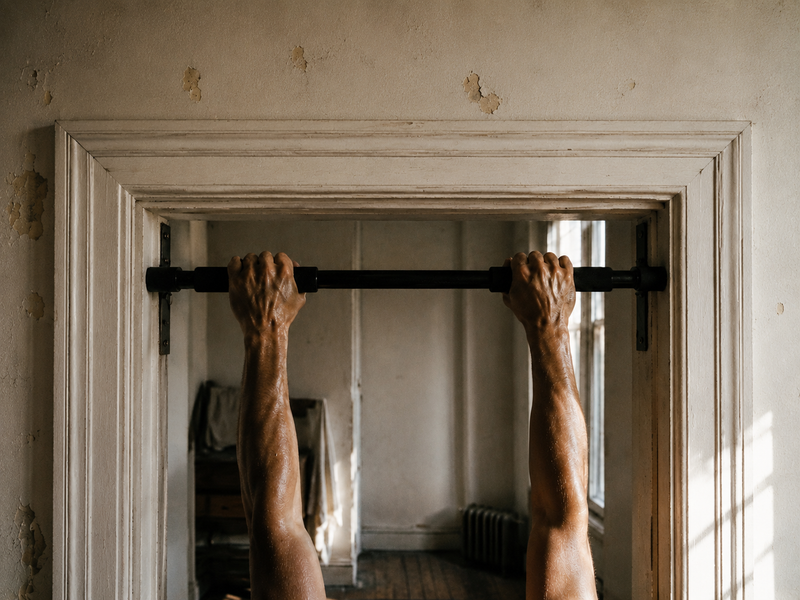
This matters because recovery should match the stress. Heavy leg training may need food, sleep, light walking, and targeted work on quads or calves. A stiff desk-work day may need mobility and upper-back relief more than full rest. A hard conditioning day may need hydration and an easier next session.
Recovery isn't one routine repeated blindly. It's a response to what the body has been asked to do.
How to tell recovery is workingGood recovery shows up in simple ways. Your warm-up feels smoother. Soreness fades instead of building. Your next workout starts with better energy. Your range of motion returns. You feel less protective around tight areas. These are practical signals that the body is catching up.
Poor recovery also has signals: soreness that keeps spreading, sleep that feels worse, repeated drops in performance, irritability, and a feeling that normal weights or movements are unusually heavy. When those appear, the answer is rarely to force more intensity. The answer is usually to reduce stress and improve the recovery basics.
The best recovery plan isn't complicated. It's honest. It pays attention, adjusts early, and keeps the body ready enough to keep training.
Speed up your recovery →
Target sore muscles in minutes with the PulseX. Built for rest days, post-workout relief, and daily recovery.
Shop PulseX →