





The Quiet Routine: Why Discipline Starts Before Motivation
Motivation is visible. Discipline is the thing that runs underneath it. Quieter, slower, and far more reliable.
Nobody talks about the days you do it anyway. The days when there's no energy, no enthusiasm, no feeling of readiness. When the alarm goes off and the body says no and you do it regardless. Those are the sessions that matter most. And they're the ones that never appear in the highlight reel.
Motivation has good marketing. It arrives with music, with momentum, with the particular electricity of a new goal or a fresh start. It makes training feel inevitable. And it disappears just as quickly, when the novelty fades, when the result is slower than expected, when life interrupts and two days off become two weeks.
Discipline has no marketing. It looks like a person making a cup of coffee at 5:30am before anyone else is awake and moving because that's what they do. No feeling required. No condition met. Just the decision, repeated so many times it no longer feels like a decision.
"Motivation is what gets you started. Discipline is the thing already running when motivation hasn't shown up yet."
There's a common belief that discipline follows motivation, that once you feel inspired enough, the consistency will come naturally. The evidence suggests the opposite. Discipline precedes motivation. The feeling of wanting to train is most often a product of the habit, not the origin of it.
Athletes who train consistently don't report high motivation as the reason. They report low friction and a high threshold for skipping. The system they've built, the time that's protected, the gear that's ready, the expectation they've set themselves, makes training the path of least resistance. Motivation, when it arrives, is a bonus. When it doesn't, the system holds anyway.
What a quiet routine actually looks likeIt doesn't look impressive from the outside. A quiet routine is the person who trains at the same time every day without needing to decide whether today is a training day. It's the preparation that happens the night before, gear laid out, alarm set, the mental agreement already made. It's the removal of every variable that could become an excuse.
This isn't about rigidity. It's about reducing the distance between intention and action to almost zero. When training requires negotiation every morning, when you have to re-convince yourself each time, the days when motivation is low become the days the session disappears. A routine that exists below motivation doesn't require convincing. It just requires showing up at the time you already agreed to.
"The quiet routine isn't glamorous. It's the most effective thing in fitness."
The practical version of this is simpler than it sounds. Pick one time. Protect it completely. Start with a duration so short that missing it would be embarrassing. Fifteen minutes, twenty minutes. Don't make the first weeks about the session. Make them about the appearance of the habit. The body will adapt. The routine will deepen. The motivation will follow, because movement done consistently produces the exact neurochemical state that makes you want to move.
The goal is a routine so embedded that it requires less energy to do it than to skip it. That's when discipline stops feeling like effort. Not because it's become easy, but because the version of you that questions it has stopped being invited to the conversation.
Start before you're ready. The feeling of readiness isn't a prerequisite. It's a reward, and it arrives only after.
Lower the entry pointThe hardest part of most routines isn't the middle. It's the start. Once a person is moving, the session often continues. The problem is getting past the first few minutes. A quiet routine solves this by lowering the entry point so far that starting feels almost automatic.
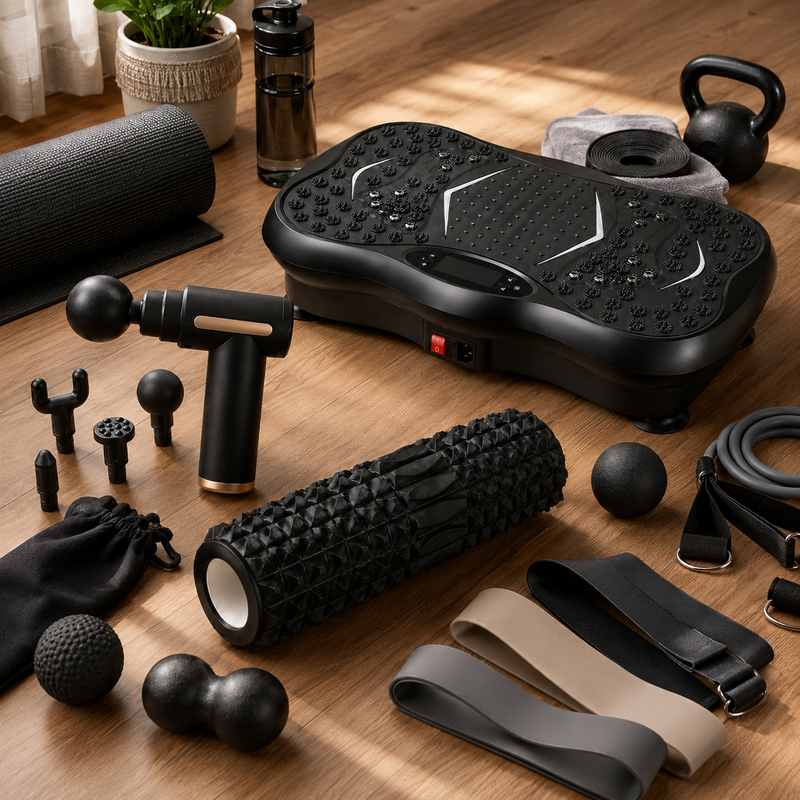
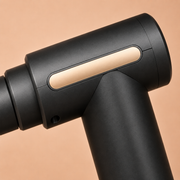
This can mean setting a two-minute rule: put on shoes, roll out the mat, do one set, or use the massage gun on one tight area. The first action is intentionally small. It's not the full goal. It's the doorway into the routine. Most days, the person continues. On difficult days, even the small action protects the identity of someone who doesn't fully disappear from the habit.
Discipline becomes more reliable when it has a low-friction beginning. Waiting to feel ready creates delay. Starting small creates motion.
Make the routine visibleVisibility matters. A tool kept in sight creates a prompt. A tool hidden in a cupboard becomes a memory test. This isn't laziness; it's human behaviour. The environment constantly suggests actions, and a good routine uses that instead of fighting it.
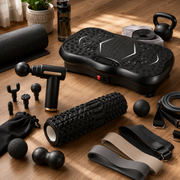
Keep the first piece of gear where the routine begins. If you train in the living room, the band shouldn't live at the back of a wardrobe. If recovery happens after showers, the massage gun should be easy to reach. If mobility happens before bed, the mat shouldn't require rearranging the room.
The quiet routine is built from these small decisions. It doesn't depend on drama. It depends on making the right action obvious enough to repeat.